

Before the Incident
Praeventra collects baseline and activity data that may later become important evidence. Organizations no longer need to start from scratch when an incident is discovered, the evidence is already structured and preserved.
Praeventra's Real-Time Digital Forensics Management System continuously collects and structures endpoint evidence to help security teams investigate faster and respond with confidence. With more than 70 client-side data points, Praeventra provides near real-time forensic visibility across endpoint activity, helping organizations preserve evidence before it is lost and understand incidents as they unfold.
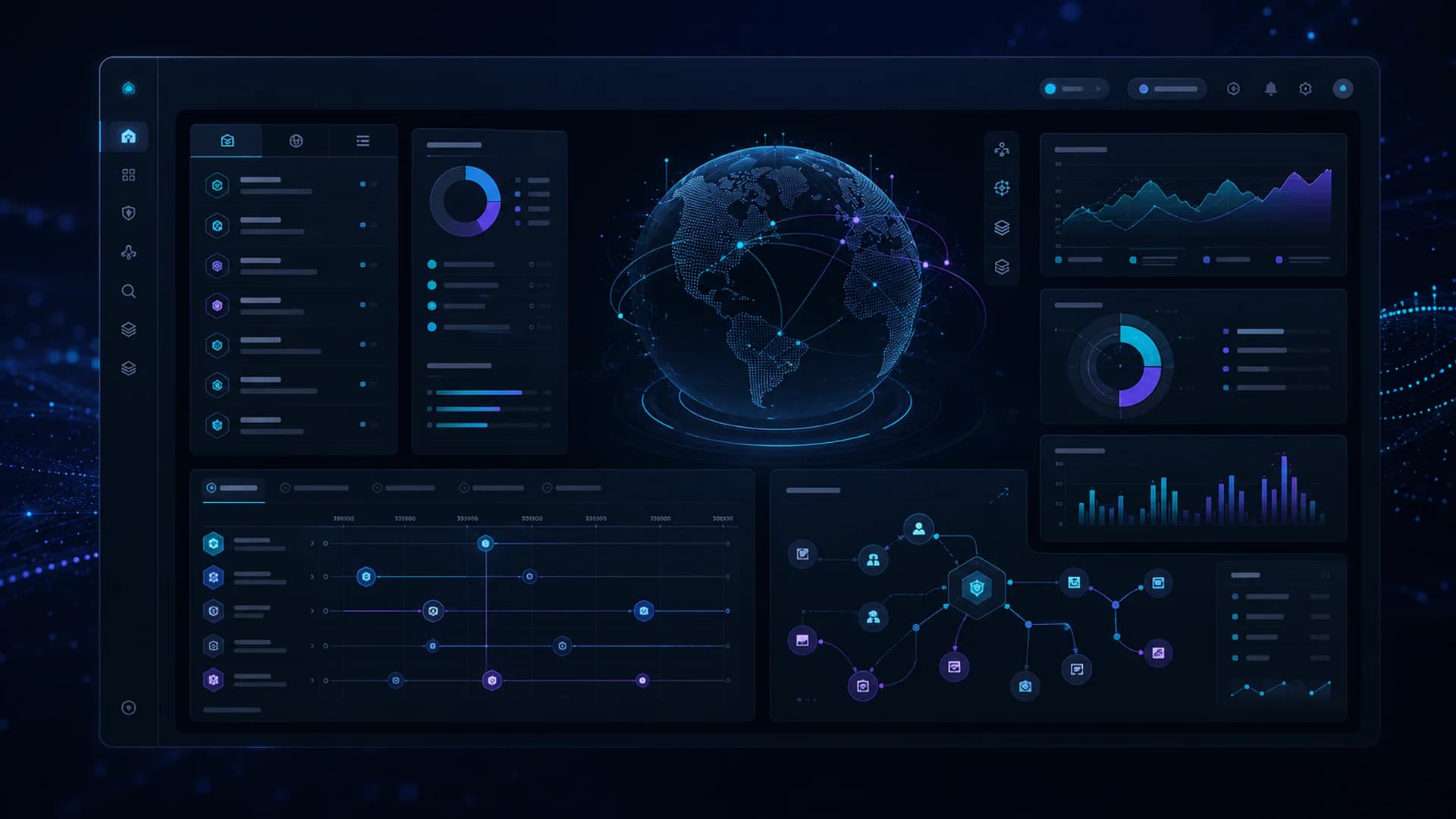
Real-Time Digital Forensics Demo Video
Coming Soon70+
Forensic data points collected continuously from every endpoint
Near Real-Time
Endpoint activity structured for investigation while it is still happening
Graph-Supported
Users, machines, processes, files, events, and alarms connected for deeper insight
Traditional digital forensics often starts after an incident is discovered. At that point, critical evidence may already be deleted, modified, overwritten, or lost. Praeventra changes this approach by continuously collecting forensic data while systems are still operating.
Praeventra collects baseline and activity data that may later become important evidence. Organizations no longer need to start from scratch when an incident is discovered, the evidence is already structured and preserved.
The platform captures relevant endpoint signals in near real time as suspicious activity occurs. Analysts gain visibility into what is happening, which systems are affected, and which users, processes, or files are involved.
Structured forensic data is available for investigation, correlation, reporting, and response. Security teams can investigate faster and with greater confidence, without reconstructing an incident from incomplete information.
Praeventra does not simply collect raw endpoint data. It transforms collected information into structured forensic context that can be used by analysts, rules, correlation logic, workflows, and AI-powered analysis.
Endpoint activity can be connected to users, processes, files, machines, network indicators, alarms, and investigation timelines. This helps analysts move from isolated technical signals to a clearer understanding of the incident story, who did what, on which system, and when.
The Digital Forensics Management System is designed to make investigation practical and efficient. Analysts can review endpoint activity, examine evidence, follow process chains, and access structured forensic data, reducing the time needed to understand what happened.
Forensic data becomes more powerful when connected through the graph database. Users, machines, processes, files, events, and alarms form a connected forensic picture that helps analysts identify attack paths, related systems, suspicious process chains, and potential lateral movement.
Praeventra helps organizations maintain continuous visibility into endpoint activity, giving analysts access to richer evidence and reducing the need to reconstruct an incident from incomplete information. Critical evidence is preserved before it is lost.
Praeventra's endpoint agent captures a comprehensive set of forensic data points, providing broad visibility into the signals that matter most for security investigation and incident response.
Monitor running processes, process creation events, parent-child relationships, and process-level behavior indicators that may signal suspicious or malicious activity.
Track system-level events, configuration changes, service activity, scheduled tasks, and other system-relevant signals that provide context for investigation and correlation.
Capture file creation, modification, deletion, and access events that may be relevant to ransomware detection, data exfiltration, or unauthorized file access investigations.
Collect network connection data, DNS activity, and communication indicators that help analysts identify suspicious outbound connections, command-and-control traffic, and lateral movement.
Track user logon and logoff events, privilege use, account activity, and access patterns that support insider risk detection, account compromise investigation, and behavioral analysis.
Collect additional security-relevant indicators that strengthen detection, investigation, and correlation, providing broader forensic coverage across the endpoint environment.
Explore the Event Management and Workflow Management components to understand how collected forensic data becomes actionable intelligence and controlled response.